How Bahrain found its place in Formula 1
6th April 2026ApexMotorsports.co.uk contributor, Jamile Barcelos, takes a look at how the Bahrain International Circuit found its place on the Formula 1 calendar, after being cancelled from the 2026 season.
Feature image credit: Flickr // CC
When Bahrain joined Formula One in 2004, it marked an important moment for the Middle East as the first Grand Prix held in the region. But despite that, it didn’t immediately feel iconic.
The race struggled to attract large crowds, and the circuit, designed by Hermann Tilke, was often criticised for lacking excitement, with limited overtaking opportunities and few truly memorable corners.
So, what changed?
While Bahrain’s arrival was significant, the early races didn’t always live up to expectations. Like many circuits from that era, it often felt more functional than exciting, built around long straights and heavy braking zones rather than flowing, high-speed sections.
The desert surroundings didn’t help either, with sand often reducing grip and making conditions tricky, especially early in the weekend.
Attempts to improve the circuit didn’t always work. A longer layout was introduced in 2010, but it didn’t really make the racing any better.
Progress was then interrupted in 2011, when the race was cancelled due to political unrest in the country, a rare moment where Formula One stepped away from the calendar, and one that raised questions about Bahrain’s place in the sport.
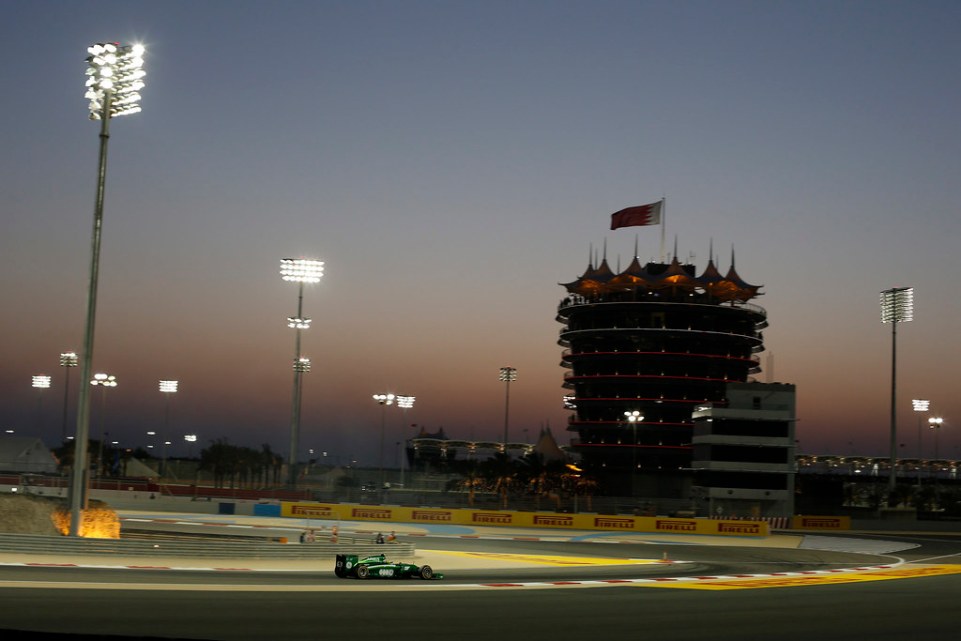
A turning point came a few years later, when night racing was introduced in 2014. The race featured intense wheel-to-wheel battles, plenty of overtaking, a dramatic safety car and a genuinely exciting fight for the lead. But it wasn’t just about that one race.
The move to a night setting changed the feel of the event, with cooler conditions improving tyre behaviour and opening the door to more varied strategies. It finally felt like something had clicked.
From there, it began to build a reputation for producing consistently strong racing. The same characteristics that were once criticised started to work in its favour, creating more opportunities for overtaking and strategic variation. Races became less predictable, often shaped by tyre management and pit stop decisions rather than just track position.
Today, it is seen as one of the most reliable venues on the Formula One calendar. Frequently used as a season opener, it has earned a reputation for delivering competitive and engaging races. Its transformation hasn’t been instant, but it’s been real.
What started as a circuit that struggled to stand out has grown into one that consistently delivers and, over time, has earned its place on the calendar.
Read more Formula 1 here:
- Superb In Suzuka: Kimi Antonelli Takes The Championship Lead And Rewrites History!
- FIA release statement after Bearman crash at Japanese GP
- Who finished where at 2026 Japanese Grand Prix?
- Oliver Bearman suffers ‘knee contusion’ after 50G Japanese GP impact
- Antonelli becomes youngest F1 leader with Japanese Grand Prix win
- Alexander Albon avoids punishment for causing collision at Japan GP
Please follow us on Facebook, Instagram and Twitter to keep up with the latest news from ApexMotorsports.co.uk!